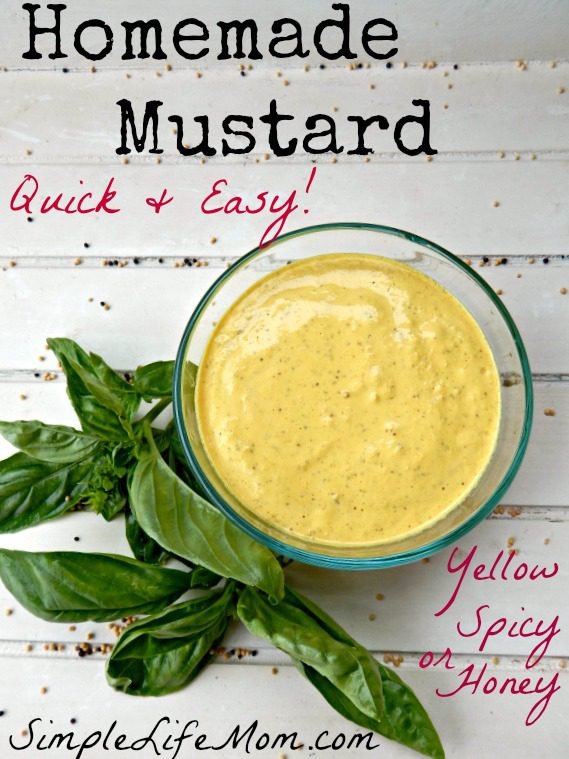
Make Fresh Mustard: Simple Recipe, No Preservatives, Better Taste
Tired of the one-note flavor profile and endless ingredient lists of store-bought condiments? Imagine a vibrant, zesty mustard so fresh, so full of character, that it elevates everything it touches. The secret isn't a gourmet grocery store; it's your own kitchen. Learning how to make mustard from scratch is surprisingly simple, deeply rewarding, and promises a flavor experience far superior to anything you’ll find in a jar on a supermarket shelf. This isn't just about cooking; it's about reclaiming flavor, ditching preservatives, and discovering the true potential of a beloved condiment.Why Ditch the Store-Bought for Homemade Mustard? The Taste Revolution
The allure of homemade mustard extends far beyond just "doing it yourself." It's a culinary revelation that will permanently change your perspective on this tangy spread. Here’s why making your own mustard is a game-changer:- Unrivaled Freshness and Flavor: Store-bought mustards, by necessity, are designed for shelf stability, often meaning compromises on fresh, vibrant taste. Homemade mustard, on the other hand, bursts with intense flavor. You'll immediately notice the difference—a brightness, a depth, and a nuanced tang that simply can't be replicated after months in storage. The difference is truly palpable.
- No Preservatives, No Excess Sugar: This is a major win for health-conscious cooks. Many commercial mustards contain preservatives, artificial colors, and often high-fructose corn syrup or excessive amounts of sugar. When you learn how to make mustard at home, you have complete control over every single ingredient. This means a cleaner condiment, free from unwanted additives and tailored precisely to your dietary preferences.
- Endless Customization: Do you prefer a bold, spicy kick? A delicate, sweet tang? Or perhaps a whole-grain texture? Making mustard from scratch opens up a world of customization. You can adjust the heat, sweetness, acidity, and even texture to create your perfect condiment. This level of personalization is impossible with pre-made options.
- Cost-Effective and Convenient: You might be surprised to find that many of the ingredients needed for a fantastic homemade mustard are already staples in your pantry. Ground dry mustard, vinegar, sugar, eggs—these are common items. This makes the process not only simple but also remarkably economical.
- The Sheer Satisfaction: There's a unique joy in crafting something delicious from basic ingredients. Serving your guests or family a condiment you made with your own hands adds a special touch to any meal.
Ready to experience the superior flavor that comes from making mustard without preservatives? Let's dive into the simple steps. For more insights on why homemade is always better, check out our article: Ditch Store-Bought: Easy Homemade Mustard for Superior Flavor.
Your Pantry, Your Perfect Mustard: Essential Ingredients & Equipment
The beauty of this simple recipe lies in its accessibility. You won't need exotic spices or specialized machinery to create an outstanding batch of homemade mustard. Most likely, you have everything you need already.Ingredients:
- ¾ cup white sugar: This provides balance to the sharp acidity and heat of the mustard, creating a well-rounded flavor profile. Don't be shy; it's essential for body and sweetness.
- ¾ cup ground dry mustard: The heart of your mustard! This is the finely ground mustard seed powder, often found in the spice aisle. It's crucial for the characteristic pungency and flavor.
- ½ cup distilled white vinegar: Provides the essential tang and acidity that defines mustard. It also helps to "activate" the flavors of the mustard powder.
- ½ cup white wine: Adds a layer of complexity and a subtle fruity note that elevates the overall taste. If you prefer, you can substitute this with more vinegar, beer, or even water, though wine offers a nuanced flavor.
- 3 large eggs, beaten: Eggs are the unsung heroes of this recipe, acting as both an emulsifier to create a smooth, creamy texture and a thickener as they cook.
Equipment:
- Double Boiler (or a small saucepan and a heatproof bowl): This is crucial for cooking the mustard gently and preventing the eggs from scrambling. If you don't have a dedicated double boiler, simply place a heatproof glass or metal bowl over a saucepan with an inch or two of simmering water, ensuring the bottom of the bowl doesn't touch the water.
- Whisk: Essential for thoroughly combining ingredients and maintaining a smooth consistency during the cooking process.
- Airtight Container: For safe and fresh storage of your finished mustard in the refrigerator. Glass jars with tight-fitting lids are ideal.
Crafting Your Condiment: A Simple Step-by-Step Guide
Now that you have your ingredients and equipment ready, let's learn exactly how to make mustard with this foolproof, easy-to-follow method.Step 1: Combine the Core Ingredients
In the top of your double boiler (or your heatproof bowl set over a small saucepan), combine the sugar, ground dry mustard, distilled white vinegar, white wine, and beaten eggs. Whisk all the ingredients together thoroughly until the mixture is smooth and lump-free. A well-combined start ensures a perfectly uniform mustard.
Step 2: Gentle Heat & Constant Whisking
Place your double boiler (or bowl) over simmering water. The key here is *gentle, indirect heat*. Begin to cook the mixture, whisking constantly. This constant motion is vital for two reasons: it prevents the eggs from scrambling and ensures the mustard thickens evenly without scorching. Continue whisking for approximately 8 minutes, or until the mustard has thickened to a consistency similar to a thick pudding or mayonnaise. It should coat the back of a spoon without running off too quickly.
Step 3: Cool Down & Store
Once your mustard has reached the desired thickness, remove it from the heat. Allow it to cool completely to room temperature. This step is important for both safety and flavor development. As it cools, the flavors will meld and deepen. Once cool, transfer your fresh homemade mustard to a clean, airtight container. Store it in the refrigerator. This preservative-free mustard will maintain its peak freshness and flavor for up to two weeks.
Elevate Your Mustard: Tips for Perfection and Customization
Making the basic recipe is just the beginning. The real magic of learning how to make mustard lies in the ability to customize it to your exact preferences.Texture Control:
- Silky Smooth: For an extra-fine texture, you can pass your cooked mustard through a fine-mesh sieve or process it briefly in a blender after it cools.
- Boldly Grainy: To add a grainy element, incorporate whole mustard seeds into your cooked, cooled mustard. For a softer grain, soak whole mustard seeds in a little extra vinegar or water for a few hours before adding them to the cooked mustard.
Flavor Variations:
- Spicy Kick: For more heat, increase the amount of dry mustard slightly, or add a pinch of cayenne pepper or a dash of hot sauce during the cooking process.
- Sweet & Tangy: Adjust the sugar content to your liking. You can also experiment with honey or maple syrup for different sweet notes.
- Herbal Infusion: Stir in a teaspoon of dried herbs like tarragon, dill, thyme, or rosemary (finely crushed) after the mustard has cooked and cooled.
- Garlic or Onion: A tiny pinch of garlic powder or onion powder can add savory depth. For a more intense flavor, try roasted garlic paste mixed in.
- Beverage Swaps: Replace some or all of the white wine with beer (lager or ale works well), hard cider, or even a different type of vinegar like apple cider vinegar for distinct flavor profiles.
Troubleshooting Tips:
- Too Thin? Return it to the double boiler and cook for a few more minutes, whisking constantly, until it thickens.
- Too Thick? Whisk in a teaspoon of white vinegar, white wine, or even water, a little at a time, until you reach your desired consistency.
- Too Sharp/Acidic? Sometimes fresh mustard can be quite sharp initially. Let it mellow in the refrigerator for 24-48 hours. The flavors will soften and meld beautifully. A tiny pinch more sugar can also help balance it.
Your homemade mustard is incredibly versatile. It's fantastic on hot dogs, burgers, and sandwiches, but don't stop there! Use it in vinaigrettes, marinades for chicken or pork, as a glaze for ham, or as a vibrant dip for pretzels and charcuterie boards. Unleash your inner chef and Homemade Mustard: Customize Your Tangy Condiment from Scratch.
