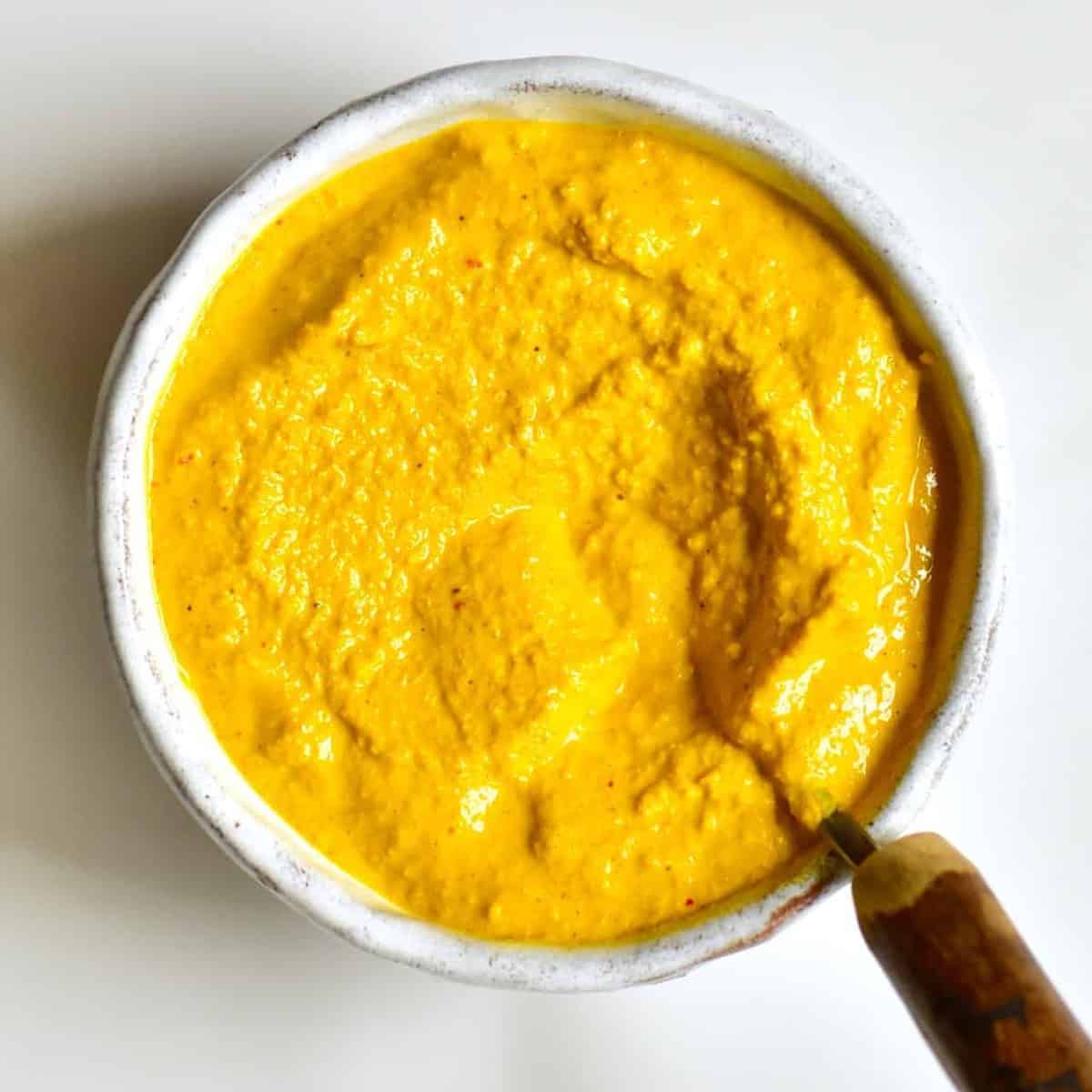
Ditch Store-Bought: Embrace the Superior Flavor of Easy Homemade Mustard
Are you tired of the one-note flavor profiles of supermarket mustard? Do you long for a condiment that truly elevates your meals, bursting with fresh, vibrant taste and free from obscure additives? It's time to discover the culinary magic of homemade mustard. Imagine a tangy, zesty spread perfectly tailored to your palate, ready to transform everything from a simple sandwich to a gourmet salad dressing. Learning how to make mustard from scratch isn't just about saving a few dollars; it's about unlocking a world of flavor, freshness, and unparalleled culinary satisfaction.
Many home cooks shy away from making condiments, assuming they're complicated or time-consuming. However, homemade mustard defies this misconception. With a few pantry staples and a surprisingly simple process, you can create a condiment that leaves every store-bought jar in the dust. The difference is palpable: fresh ingredients, no preservatives, and the ability to customize to your heart's content. Once you experience the depth and zing of DIY mustard, you'll understand why going back to the mass-produced version just won't cut it.
Why Homemade Mustard? The Flavor Revolution Awaits
The allure of homemade mustard extends far beyond novelty. There are several compelling reasons why investing a little time in crafting your own batch is a game-changer for your kitchen:
- Unmatched Freshness: Store-bought mustards are designed for long shelf lives, often achieved through preservatives and processing. Homemade versions, on the other hand, are made with fresh ingredients, delivering a bright, lively flavor that's simply impossible to replicate in a factory. You'll taste the difference immediately.
- Ingredient Control: When you make your own mustard, you control every single ingredient. This means saying goodbye to high-fructose corn syrup, artificial colors, and unwanted stabilizers. You'll use real food, often ingredients you already have on hand, ensuring a clean and wholesome condiment.
- Superior Taste and Texture: Mass-produced mustards often sacrifice nuanced flavor for consistency. Homemade allows you to dial in the perfect balance of tang, sweetness, and heat. Furthermore, you can achieve your desired texture—whether you prefer it silky smooth or robustly grainy. The vibrant taste and satisfying mouthfeel are truly superior.
- Endless Customization: This is arguably the biggest advantage. Want it spicier? Sweeter? Infused with herbs? The possibilities are boundless. A single base recipe for how to make mustard can be a springboard for countless variations, reflecting your personal taste and culinary creativity.
- Economical and Sustainable: Making your own condiments can be more cost-effective in the long run, especially if you buy ingredients in bulk. It also reduces waste from packaging and encourages a more self-sufficient approach to cooking.
Unlocking the Secret: How to Make Mustard from Scratch
Ready to embark on your mustard-making adventure? This simple recipe, inspired by home cooks who perfected the art, will guide you through creating a deliciously tangy and rich condiment. The best part? You likely have most of these ingredients tucked away in your pantry right now.
Gathering Your Simple Ingredients
The beauty of this recipe lies in its straightforward ingredient list, proving that superior flavor doesn't require exotic components.
- ¾ cup white sugar: Don't be alarmed by the amount; sugar provides balance to the mustard's inherent tanginess and contributes to its smooth texture and rich color. It's crucial for harmonizing the flavors.
- ¾ cup ground dry mustard: This is the heart of your mustard. Ground dry mustard, also known as mustard powder, is made from finely ground mustard seeds. Its potency varies, so be prepared for a kick!
- ½ cup distilled white vinegar: Vinegar is essential for the mustard's characteristic acidity and tang. Distilled white vinegar offers a clean, sharp flavor that allows the mustard notes to shine.
- ½ cup white wine: White wine adds a layer of complexity and subtle fruitiness that elevates the overall flavor profile, distinguishing it from basic mustards. Choose a dry white wine for the best results.
- 3 eggs, beaten: Eggs act as an emulsifier and thickener, giving the mustard its creamy, luxurious texture. They help bind all the ingredients together smoothly.
Essential Tools for Your Mustard Journey
You won't need specialized equipment for this recipe; common kitchen tools are all it takes.
- Double boiler (or a small saucepan and a heatproof bowl): A double boiler is crucial for gently cooking the mustard mixture over simmering water, preventing it from scorching and ensuring a smooth, even cook. If you don't have one, a heatproof bowl resting snugly over a saucepan with an inch or two of simmering water works perfectly.
- Whisk: A whisk is indispensable for thoroughly combining the ingredients and ensuring constant stirring during the cooking process to prevent lumps and achieve the desired thickness.
- Sealed container: An airtight jar or container is necessary for storing your freshly made mustard in the refrigerator. Glass jars with tight-fitting lids are ideal.
Step-by-Step Guide to Crafting Your Condiment
Follow these straightforward steps, and in no time, you'll have a batch of incredible homemade mustard.
- Combine Ingredients: In the top of your double boiler (or your heatproof bowl set over a saucepan), whisk together the white sugar, ground dry mustard, distilled white vinegar, white wine, and beaten eggs. Whisk vigorously until all the ingredients are well combined and the mixture is smooth.
- Prepare for Cooking: Fill the bottom part of your double boiler (or the saucepan) with about 1-2 inches of water. Bring this water to a gentle simmer over medium heat. Ensure the water is simmering, not boiling aggressively, to prevent the top bowl from overheating.
- Cook and Thicken: Place the top bowl with your mustard mixture over the simmering water. Here's where the magic happens! Cook the mixture, whisking constantly, for approximately 8 minutes. The constant whisking is vital to prevent the eggs from scrambling and to ensure the mustard thickens evenly. As it cooks, you'll notice the mixture gradually transforming from a thin liquid to a rich, custardy consistency. It should be thick enough to coat the back of a spoon.
- Cool and Store: Once the mustard has reached your desired thickness, carefully remove the top bowl from the double boiler setup. Allow the mustard to cool completely to room temperature. This cooling process helps it set further and allows the flavors to meld beautifully. Once cooled, transfer your magnificent homemade mustard to an airtight container.
Your freshly made condiment is now ready to impress! Store it in the refrigerator, where it will maintain its superior flavor for up to two weeks. The lack of preservatives means a shorter shelf life than store-bought varieties, but that's a small trade-off for such incredible freshness and taste. For more insights into making condiments without preservatives, check out our guide on Make Fresh Mustard: Simple Recipe, No Preservatives, Better Taste.
Elevating Your Homemade Mustard: Tips for Customization and Storage
One of the greatest joys of learning how to make mustard is the freedom to experiment and customize. Your base recipe is just the beginning!
Beyond the Basics: Customizing Your Homemade Mustard
This recipe provides a fantastic foundation, but don't stop there. Here are ways to truly make it your own:
- Texture Play: While this recipe yields a smooth mustard, you can achieve a grainy texture by using whole mustard seeds. To do this, soak whole brown or yellow mustard seeds in the vinegar and wine mixture for several hours (or overnight) before blending them partially or entirely, then proceed with the cooking steps.
- Spice it Up: For an extra kick, consider adding a pinch of cayenne pepper or a dash of hot sauce to the mixture before cooking. For a smoky heat, a touch of smoked paprika can be transformative.
- Aromatic Additions: Infuse your mustard with other flavors. Garlic powder, onion powder, a touch of turmeric for deeper color, or even fresh herbs like tarragon or dill can be whisked in during the cooling stage.
- Sweetness Variations: Experiment with different sweeteners. Honey can create a delicious honey mustard, while maple syrup offers a unique twist. Adjust the amount to your preference.
- Vinegar & Wine Swaps: The type of vinegar and wine you use significantly impacts the final flavor. Try apple cider vinegar for a fruitier tang, red wine vinegar for a bolder profile, or even beer or hard cider for a malty depth instead of white wine.
For even more creative ideas and detailed customization techniques, dive into our comprehensive article: Homemade Mustard: Customize Your Tangy Condiment from Scratch.
Storing Your Culinary Creation
As mentioned, your homemade mustard, being free of preservatives, has a shorter shelf life. Store it in a tightly sealed container in the refrigerator for up to two weeks. While it might last a little longer, its peak freshness and flavor are best enjoyed within that timeframe. Always use a clean spoon to scoop out the mustard to avoid introducing contaminants.
The Versatility of Homemade Mustard
Once you've made your own batch, you'll find countless ways to incorporate its vibrant flavor into your cooking:
- Sandwiches and Wraps: Elevate a simple turkey sandwich or veggie wrap.
- Dressings and Vinaigrettes: Whisk it into your homemade salad dressings for extra tang and emulsion.
- Marinades and Rubs: Use it as a base for marinades for chicken, pork, or beef, adding depth and helping to tenderize.
- Sauces and Dips: Stir it into barbecue sauces, glazes, or create a quick dipping sauce for pretzels or roasted vegetables.
- Snack Boards: A beautiful dollop of homemade mustard is a sophisticated addition to any cheese or charcuterie board.
Conclusion
Learning how to make mustard is a rewarding culinary endeavor that brings fresh, superior flavor directly to your table. Ditching the store-bought varieties in favor of homemade mustard allows for unparalleled freshness, ingredient control, and endless customization possibilities. This simple recipe provides a clear path to crafting a tangy, vibrant condiment that will instantly elevate your meals and impress your family and friends. So, gather your ingredients, fire up your double boiler, and get ready to experience the true taste of mustard, made with care and crafted to perfection.
