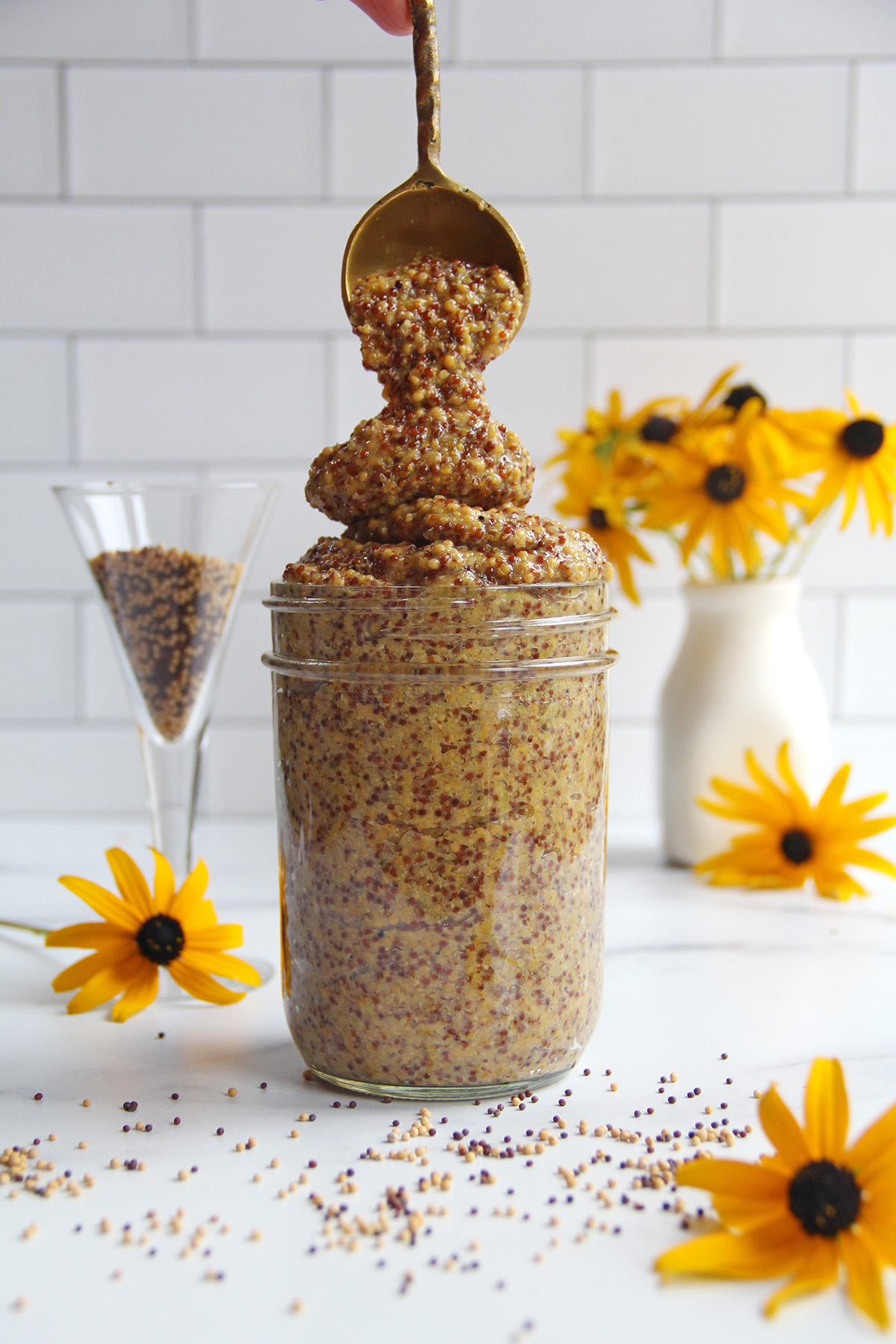
Homemade Mustard: Customize Your Tangy Condiment from Scratch
Tired of the same old jarred mustard? Imagine a world where your favorite tangy condiment is perfectly tailored to your palate, bursting with fresh flavors and free from unnecessary preservatives. That world is closer than you think! Learning
how to make mustard from scratch opens up a universe of culinary possibilities, allowing you to craft a uniquely vibrant and delicious spread right in your own kitchen. This isn't just about making mustard; it's about elevating your cooking and discovering the joy of true customization.
Store-bought mustards, while convenient, often contain excess sugar, artificial colors, and a myriad of preservatives to extend their shelf life. When you embark on the journey of making
homemade mustard, you're choosing freshness, control, and an unrivaled taste experience. Many home cooks report that once they try a DIY version, going back to the store shelf becomes an afterthought. The difference in flavor, texture, and overall quality is truly remarkable.
Why Go Homemade? The Unbeatable Advantages of DIY Mustard
The allure of making condiments from scratch goes beyond simple novelty. For mustard, the benefits are particularly compelling:
- Superior Flavor & Freshness: This is arguably the biggest selling point. Freshly made mustard, like any homemade dish, possesses a vibrant, nuanced flavor profile that pre-packaged versions simply can't match. You'll taste the zest of the vinegar, the subtle kick of the wine, and the pure, unadulterated spice of the mustard itself. This freshness also means a shorter shelf life, which is actually a testament to its natural composition – no artificial stabilizers here!
- Complete Ingredient Control: When you take on the task of how to make mustard, you become the master of its contents. Skip the high-fructose corn syrup, artificial colors, and unpronounceable additives. You choose every ingredient, ensuring a clean, wholesome condiment that aligns with your dietary preferences and health goals. This control allows you to reduce sugar, adjust sodium, or even use organic ingredients. If you're looking to Ditch Store-Bought: Easy Homemade Mustard for Superior Flavor, this is your ultimate guide.
- Endless Customization Potential: This is where the real fun begins! Homemade mustard isn't a one-size-fits-all product. Do you prefer it boldly tangy, subtly sweet, or fiery hot? Silky smooth or wonderfully grainy? With a basic recipe as your foundation, you can dial in the texture, tweak the acidity, experiment with spices, and create a condiment perfectly suited for any dish or occasion.
- Cost-Effective & Convenient: You might be surprised to learn that many of the core ingredients for homemade mustard are pantry staples you likely already have on hand. Ground dry mustard, vinegar, sugar, eggs – these are common items. This makes crafting your own mustard an economical choice that saves you trips to the store and reduces reliance on mass-produced items.
- A Rewarding Culinary Experience: There's a profound satisfaction that comes from creating something delicious and practical from scratch. Learning Make Fresh Mustard: Simple Recipe, No Preservatives, Better Taste is an accomplishment that enhances your culinary skills and confidence.
Gathering Your Essentials: Ingredients and Equipment
To embark on your
homemade mustard journey, you'll need a handful of simple ingredients and basic kitchen tools. This particular recipe is known for its smooth texture and balanced tangy-sweet profile, making it an excellent starting point for customization.
Key Ingredients:
- ¾ cup white sugar: Provides sweetness to balance the tang and spice, and contributes to the mustard's body. You can adjust this amount to your preference or substitute with honey or maple syrup for different flavor notes.
- ¾ cup ground dry mustard: This is the heart of your mustard! Typically made from yellow mustard seeds, it provides the characteristic pungent flavor. For a bolder, spicier kick, you could experiment with ground brown or black mustard seeds, or a blend.
- ½ cup distilled white vinegar: Crucial for the tangy acidity that defines mustard. White vinegar offers a clean, sharp tang, but feel free to experiment with apple cider vinegar for a fruitier note, or even a good quality white wine vinegar for added complexity.
- ½ cup white wine: Adds depth and a subtle vinous character. A dry white wine works best. If you prefer to avoid alcohol, you can substitute with chicken or vegetable broth, or even more vinegar (though this will increase the tang).
- 3 eggs, beaten: The secret to this recipe's smooth, creamy texture. The eggs act as an emulsifier and thickener, creating a luxurious mouthfeel. Ensure they are thoroughly beaten before adding to the mixture.
Essential Equipment:
- Double boiler (or a small saucepan and a heatproof bowl): This indirect heating method is vital for cooking the eggs gently and preventing the mixture from scorching. If you don't have a double boiler, simply place a heatproof bowl over a saucepan filled with about an inch of simmering water, ensuring the bottom of the bowl does not touch the water.
- Whisk: A good quality whisk is indispensable for incorporating ingredients smoothly and constantly stirring the mustard as it cooks to prevent lumps and ensure even thickening.
- Sealed container (e.g., glass jar): For storing your freshly made mustard in the refrigerator. Airtight is key for freshness.
- Measuring cups and spoons: For precise ingredient measurement.
- Rubber spatula: Useful for scraping down the sides of the bowl and ensuring all ingredients are combined.
Step-by-Step: How to Make Mustard from Scratch
Once you have your ingredients and tools ready, the process of making this basic
homemade mustard is straightforward and rewarding.
- Combine Ingredients: In the top part of your double boiler (or in your heatproof bowl), whisk together the white sugar, ground dry mustard, distilled white vinegar, white wine, and the beaten eggs until well combined and smooth. Take care to ensure there are no dry pockets of mustard powder.
- Prepare for Cooking: Place the double boiler top over the simmering water in its bottom pot (or set your heatproof bowl over the saucepan with simmering water). Ensure the water is gently simmering, not boiling vigorously, to maintain controlled heat.
- Cook and Thicken: Cook the mixture over the simmering water, whisking constantly. This continuous whisking is crucial to prevent the eggs from scrambling and to encourage even thickening. The mustard will gradually become thicker, much like a custard or a hollandaise sauce. Continue cooking and whisking for approximately 8 minutes, or until the mustard coats the back of a spoon and holds its shape. When you draw a line through it with your finger, the line should remain distinct.
- Cool and Store: Once the mustard has reached the desired thickness, remove it from the heat. Allow it to cool completely to room temperature. As it cools, it will thicken further. Once cooled, transfer your beautiful homemade mustard to a clean, airtight container.
Unleashing Your Inner Chef: Customizing Your Homemade Mustard
This is where the magic truly happens! The basic recipe provides a fantastic foundation, but the real joy of
how to make mustard lies in its infinite possibilities for customization.
Flavor Profile Modifications:
- Adjusting the Heat: The type of ground mustard you use greatly impacts the spice level. Yellow mustard powder is milder, while brown or black mustard seeds (ground) will deliver a much more potent kick. For an extra fiery mustard, consider adding a pinch of cayenne pepper, a dash of hot sauce, or a teaspoon of grated fresh horseradish during the cooking process.
- Sweetness Variations: While the recipe calls for white sugar, you can experiment with other sweeteners. Honey offers a floral sweetness, maple syrup adds an earthy depth, and brown sugar contributes a molasses-like richness. Adjust the quantity up or down based on your preference for a sweeter or tangier mustard.
- Exploring Acidity: The vinegar choice can dramatically alter the mustard's character. Beyond distilled white vinegar, try apple cider vinegar for a slightly fruity tang, white wine vinegar for a gourmet touch, or even a splash of lemon juice for brightness. Balsamic vinegar can introduce a darker, more complex sweetness perfect for savory applications.
- Aromatic Infusions: Before cooking, you can infuse your liquids (vinegar and wine) with aromatics like smashed garlic cloves, sliced shallots, or bay leaves, straining them out before adding to the main mixture.
- Herb and Spice Blends: Get creative with dried herbs and spices. Consider adding turmeric for color and a mild earthy note, smoked paprika for depth, garlic powder or onion powder for savory richness, or even a touch of curry powder for an Indian-inspired mustard. Dried dill, tarragon, or rosemary can also be lovely additions. Add these during the initial mixing stage.
- Alternative Liquids: Instead of white wine, try beer (lager or ale for different notes), hard cider, or even a good quality vegetable or chicken broth for a savory base.
Texture Transformations:
- Silky Smooth: The recipe naturally produces a smooth mustard. For an even silkier texture, you can pass the cooled mustard through a fine-mesh sieve or blend it briefly with an immersion blender.
- Boldly Grainy: To achieve a whole-grain mustard, you'll need to start with whole mustard seeds. Soak your chosen seeds (yellow, brown, or black, or a mix) in vinegar, wine, or beer overnight until plump. Then, gently crush them in a mortar and pestle or pulse them lightly in a food processor (being careful not to over-process into a paste). Incorporate these crushed seeds into your cooked smooth mustard, or adapt a recipe specifically designed for whole-grain mustard by blending soaked seeds with liquids and seasonings.
Storing Your Freshly Made Condiment
Because your
homemade mustard contains fresh eggs and no preservatives, its shelf life will be shorter than commercially produced varieties.
Transfer the cooled mustard to a clean, airtight container, such as a glass jar with a tight-fitting lid. Store it in the refrigerator. It will typically keep for up to two weeks. Always use a clean spoon when scooping out mustard to prevent contamination. If you notice any unusual smells, discoloration, or mold, it's best to discard it.
Conclusion
Learning
how to make mustard from scratch is a culinary adventure that promises unparalleled flavor, complete ingredient control, and endless opportunities for customization. From the initial whisking of simple pantry staples to the final, personalized dollop on your favorite sandwich, every step is a testament to the joy of homemade goodness. Ditch the preservatives and embrace the vibrant, tangy, and utterly delicious world of
homemade mustard. Your taste buds—and your cooking—will thank you!